









The Great Wall of China
History, Length, Age, and Top Tourist Attractions:
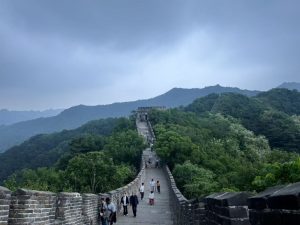
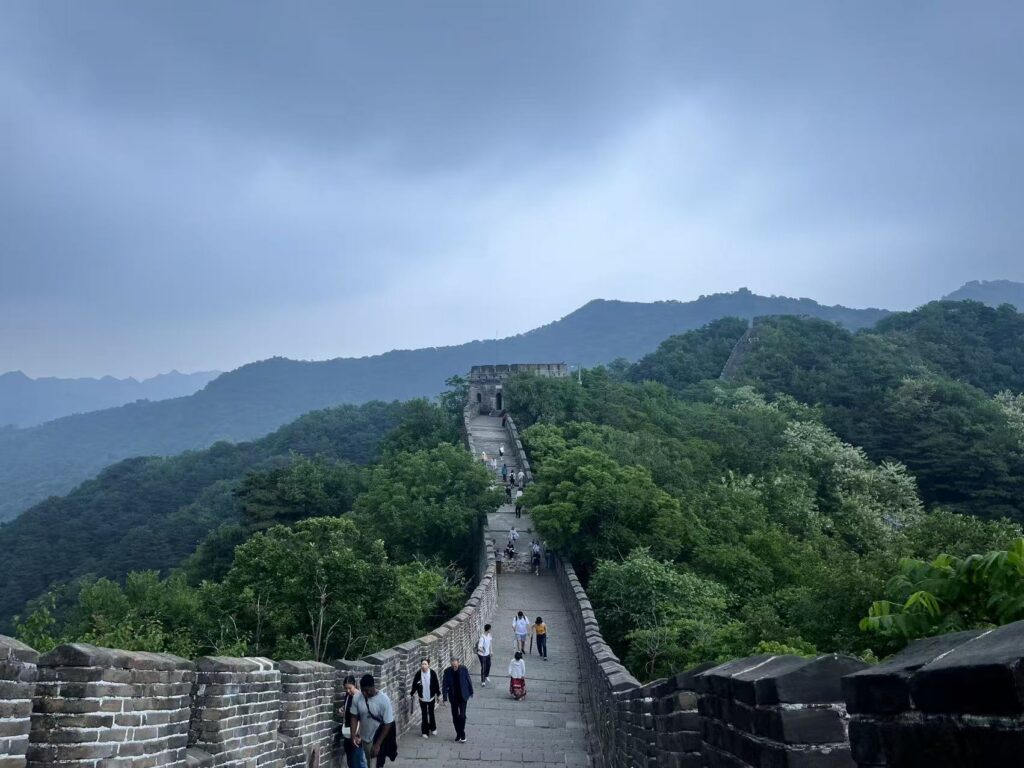
The Great Wall of China is one of the most remarkable architectural achievements in human history. Recognized as one of the New Seven Wonders of the World, this ancient structure stretches across northern China, passing through mountains, deserts, grasslands, and historic landscapes. Built over several centuries, the Great Wall represents China’s military strength, cultural heritage, and engineering excellence.
Today, the Great Wall of China is a UNESCO World Heritage Site and one of the world’s most famous tourist attractions. Millions of visitors travel to China to explore its historic walls, ancient watchtowers, and breathtaking scenery.
About the Great Wall of China:
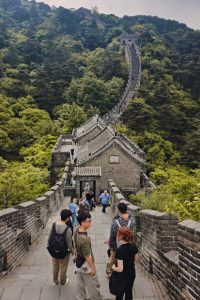
The Great Wall of China was constructed by successive Chinese dynasties to protect the northern borders of the Chinese Empire from invasions and raids. Rather than being a single continuous wall, it consists of numerous walls, fortresses, watchtowers, passes, and other defensive structures built during different periods.
These structures served several purposes, including military defense, border control, communication, and the movement of troops. Watchtowers allowed soldiers to monitor surrounding areas and send signals across long distances.
Although the Great Wall could not completely prevent invasions, it played an important role in China’s historical defense system. According to UNESCO, the structure reflects the strategic planning, military organization, and cultural exchanges between agricultural communities and nomadic societies in ancient China.
How Old Is the Great Wall of China?
The history of the Great Wall of China dates back more than 2,500 years. Early defensive walls appeared during the Spring and Autumn Period (770–476 BCE) and the Warring States Period (475–221 BCE).
In the third century BCE, Emperor Qin Shi Huang, the first emperor of a unified China, ordered the connection and expansion of several existing defensive walls. His efforts helped establish an early version of the Great Wall as a larger defensive system.
Later dynasties continued to construct, repair, and expand different sections of the wall. The Ming Dynasty (1368–1644) made some of the most significant contributions to the structure that visitors see today.
Therefore, the Great Wall of China is not the work of a single ruler or dynasty. It is the result of centuries of construction, expansion, and restoration.
How Long Is the Great Wall of China?
The Great Wall of China has a total recorded length of approximately 21,196 kilometers (13,171 miles). According to historical surveys cited by Encyclopaedia Britannica, this measurement includes different sections, overlapping walls, trenches, and other defensive features.
However, not every section remains intact today. The Ming Dynasty’s Great Wall, which is among the best-preserved portions, extends for approximately 8,850 kilometers (5,499 miles).
The enormous length of the Great Wall demonstrates the scale of China’s ancient construction projects. Its route crosses diverse landscapes, including mountain ranges, valleys, deserts, and plains.
Can You See the Great Wall of China From Space?
One common question is whether the Great Wall of China is visible from space. The popular claim that it can easily be seen from the Moon with the naked eye is a myth.
The wall is relatively narrow compared with the vast landscapes surrounding it, making it difficult to distinguish from space without optical assistance. Under favorable conditions, some sections may be observed from low Earth orbit, depending on visibility, lighting, and observation equipment.
Therefore, the Great Wall is an extraordinary human achievement, but it is not easily visible from the Moon with the naked eye.
History of the Great Wall of China:
The history of the Great Wall reflects the changing military needs and political ambitions of successive Chinese dynasties.
Early Construction During Ancient China
Different Chinese states built the earliest defensive walls to protect their territories from rival states and outside threats. These walls were separate structures rather than one unified fortification.
During the Qin Dynasty (221–206 BCE), Emperor Qin Shi Huang ordered the connection and expansion of existing walls to strengthen the empire’s northern defenses. This project became an important milestone in the development of the Great Wall.
Expansion During Successive Dynasties:
After the Qin Dynasty, later rulers repaired and expanded sections of the wall according to their defensive needs. Different dynasties used a variety of construction materials, including earth, stone, and other locally available resources.
These developments gradually transformed the Great Wall into a complex defensive network. Its design and construction methods varied according to the surrounding environment and the technology available at the time.
The Great Wall During the Ming Dynasty
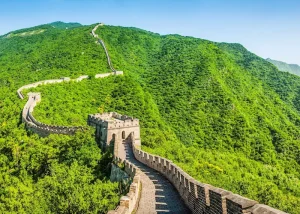
The Ming Dynasty made a major contribution to the Great Wall’s present-day appearance. Between 1368 and 1644, the Ming government strengthened northern defenses by rebuilding and extending important sections.
Many of the famous stone and brick walls, watchtowers, and fortified passes that tourists visit today date from the Ming period. These structures were designed to improve surveillance, troop movement, and resistance to attacks.
Decline and Restoration:
Following the fall of the Ming Dynasty, the Great Wall gradually lost much of its military importance. Some sections suffered from neglect, weathering, erosion, and damage caused by human activity.
During the twentieth century and beyond, conservation efforts helped protect important sections of this historic monument. Today, Chinese authorities continue to maintain selected areas, preserve cultural heritage, and manage tourism.
How Many People Died Building the Great Wall of China?
The exact number of people who died during the construction of the Great Wall of China remains unknown. Building and maintaining the wall required enormous amounts of labor over many centuries.
Soldiers, laborers, prisoners, and other workers contributed to construction under different dynasties. Working conditions could be extremely difficult because of harsh weather, rugged terrain, heavy labor, and limited supplies.
Historical records do not provide a reliable, comprehensive death toll for the entire construction period. Although popular accounts sometimes claim that millions of people died, the precise number cannot be confirmed.
The human cost of construction remains an important part of the Great Wall’s history and highlights the challenges faced by the people who helped build it.
The Great Wall of China From the 20th Century to Today:
In modern times, the Great Wall of China has become an internationally recognized symbol of Chinese history and cultural identity. Conservation programs protect significant sections from erosion, structural damage, and uncontrolled development.
In 1987, UNESCO added the Great Wall to its World Heritage List, recognizing its outstanding historical and cultural importance.
Today, the Great Wall attracts travelers, photographers, historians, and architecture enthusiasts from around the world. Visitors can explore restored pathways, climb ancient watchtowers, learn about China’s imperial past, and enjoy spectacular views of the surrounding countryside.
Beijing is a convenient starting point for visiting several famous sections of the Great Wall, making it a popular destination for international travelers.
Which Sections of the Great Wall of China Are Open to Tourists?
Several sections of the Great Wall near Beijing welcome visitors. Badaling, Mutianyu, Jinshanling, and Simatai are among the best-known destinations, each offering a different combination of history, scenery, accessibility, and hiking opportunities.

1. Badaling Great Wall
Badaling is one of the most famous and frequently visited sections of the Great Wall of China. Located northwest of Beijing, it is known for its restored pathways, impressive fortifications, and convenient visitor facilities.
This section is a popular choice for first-time visitors and families who want to experience the Great Wall without traveling too far from Beijing. Its well-maintained routes make it easier for many travelers to explore the historic structure.
2. Mutianyu Great Wall
Mutianyu is another popular section, located northeast of Beijing. Compared with the busiest areas of Badaling, it can offer a more relaxed sightseeing experience, although crowd levels vary by season.
Surrounded by green mountains, Mutianyu is especially attractive to nature lovers and photographers. Visitors can also use a cable car or other available facilities to make their visit more convenient.
Its combination of restored walls, watchtowers, and scenic views makes Mutianyu an excellent option for travelers interested in both history and natural beauty.
3. Jinshanling Great Wall
Jinshanling is well known for its dramatic mountain scenery, historic watchtowers, and hiking trails. Located northeast of Beijing, it offers a more adventurous experience than many of the heavily restored tourist sections.
The route includes steep slopes and uneven pathways, so visitors should wear comfortable hiking shoes and prepare for changing weather conditions.
Jinshanling is particularly appealing to photographers, hikers, and travelers who want to explore the architectural details of the Great Wall in a scenic setting.
4. Simatai Great Wall
Simatai is another remarkable section of the Great Wall, situated near Jinshanling. It is known for its distinctive architecture, mountainous location, and combination of restored and more rugged sections.
The surrounding landscape offers beautiful views, particularly around sunrise and sunset. Some areas have steep or challenging terrain, and access restrictions may apply depending on the section and current visitor arrangements.
Travelers should check local opening information and access requirements before visiting Simatai.
Best Time to Visit the Great Wall of China:
Spring and autumn are generally excellent seasons to visit the Great Wall of China. During spring, the surrounding hills become greener, while autumn brings colorful foliage and pleasant conditions for sightseeing and hiking.
Summer offers lush landscapes but can be hot, crowded, and rainy. Winter provides a quieter atmosphere and occasional snow-covered scenery, although temperatures can be very cold and paths may become slippery.
Before planning your trip, check the weather forecast, opening hours, transportation options, and any seasonal restrictions for your chosen section.
Why Is the Great Wall of China Important?
The Great Wall is much more than an ancient military structure. It represents centuries of Chinese history, engineering, political organization, and cultural development.
Its importance can be understood through several key features:
• Historical significance: It reflects the changing defensive strategies of Chinese rulers.
• Architectural achievement: Its walls, towers, and passes demonstrate remarkable construction skills.
• Cultural heritage: It symbolizes China’s long and complex history.
• Tourism value: It attracts visitors from across the world and supports cultural education.
• UNESCO recognition: Its World Heritage status highlights its global historical importance.
The Great Wall continues to inspire people through its enormous scale, remarkable architecture, and enduring connection to China’s past.
Conclusion:
The Great Wall of China is one of the most extraordinary historical monuments ever constructed. With a recorded total length of approximately 21,196 kilometers, a history spanning more than two millennia, and numerous sections built by different dynasties, it stands as a lasting symbol of human determination and engineering achievement.
From the famous Badaling section to the scenic pathways of Mutianyu, Jinshanling, and Simatai, the Great Wall offers visitors a unique opportunity to explore China’s history and natural landscapes.
Whether you are interested in ancient civilizations, architecture, photography, or international travel, the Great Wall of China remains a destination worth discovering.
