











Homoeopathic Treatment: History, Present Status and Future Prospects
Introduction:
Homoeopathic treatment is a system of alternative medicine that has been practised for more than two centuries. It remains popular in many countries, including India and Bangladesh, where people seek homoeopathic care for a variety of health concerns. Its long history, individualised approach, and continuing public interest make it an important subject of discussion in healthcare.


However, the future of homoeopathy depends not only on its historical popularity but also on scientific research, patient safety, professional standards, and transparent communication about its effectiveness.
This article explores the history of homoeopathy, its present condition, the scientific debate surrounding it, and its possible future in modern healthcare.
হোমিওপ্যাথি চিকিৎসা: ইতিহাস, বর্তমান অবস্থা ও ভবিষ্যৎ সম্ভাবনা
ভূমিকা
হোমিওপ্যাথি চিকিৎসা বিশ্বের অন্যতম পরিচিত বিকল্প চিকিৎসাপদ্ধতি, যার ইতিহাস দুই শতাব্দীরও বেশি পুরোনো। বাংলাদেশ, ভারতসহ বিশ্বের বিভিন্ন দেশে বহু মানুষ বিভিন্ন স্বাস্থ্যসমস্যার জন্য হোমিওপ্যাথি চিকিৎসার প্রতি আগ্রহ প্রকাশ করেন। এর দীর্ঘ ইতিহাস, রোগীর ব্যক্তিগত উপসর্গের ওপর গুরুত্ব এবং সামাজিক গ্রহণযোগ্যতা একে স্বাস্থ্যসেবার আলোচনায় একটি গুরুত্বপূর্ণ বিষয় করে তুলেছে।
তবে হোমিওপ্যাথি চিকিৎসার ভবিষ্যৎ শুধু এর ঐতিহাসিক জনপ্রিয়তার ওপর নির্ভর করে না। বৈজ্ঞানিক গবেষণা, চিকিৎসার কার্যকারিতা, রোগীর নিরাপত্তা, ওষুধের গুণগত মান এবং পেশাগত মানদণ্ডও এর ভবিষ্যৎ নির্ধারণে গুরুত্বপূর্ণ ভূমিকা রাখে।
এই নিবন্ধে হোমিওপ্যাথি চিকিৎসার ইতিহাস, বর্তমান পরিস্থিতি, বৈজ্ঞানিক মূল্যায়ন, সীমাবদ্ধতা এবং ভবিষ্যৎ সম্ভাবনা নিয়ে আলোচনা করা হয়েছে।
What Is Homoeopathic Treatment?
Homoeopathy, also spelled homeopathy, is an alternative medical system developed in Germany in the late eighteenth century by Dr Samuel Hahnemann.
It is based on two central principles: like cures like and the law of minimum dose. First, the former suggests that a substance capable of producing certain symptoms in a healthy person may be used, in diluted form, to treat similar symptoms. Second, the latter proposes that greater dilution increases a remedy’s therapeutic power.
Additionally, homoeopathic remedies may be prepared from plant, mineral, or animal sources and are commonly available as small tablets, pellets, drops, or other preparations.
Furthermore, practitioners often consider a patient’s symptoms, medical history, lifestyle, and overall experience when selecting a remedy. Nevertheless, the individualised nature of a consultation does not itself establish that the prescribed remedy is medically effective.
হোমিওপ্যাথি চিকিৎসা কী?
হোমিওপ্যাথি হলো একটি বিকল্প চিকিৎসাপদ্ধতি, যার বিকাশ ঘটান জার্মান চিকিৎসক ডা. স্যামুয়েল হ্যানিম্যান। অষ্টাদশ শতাব্দীর শেষভাগে তিনি এই চিকিৎসাপদ্ধতির মূল ধারণাগুলো প্রবর্তন করেন।
হোমিওপ্যাথির দুটি প্রধান নীতি হলো—‘সদৃশ সদৃশকে নিরাময় করে’ এবং ‘ন্যূনতম মাত্রা’। প্রথম নীতি অনুসারে, কোনো পদার্থ সুস্থ মানুষের মধ্যে যে ধরনের উপসর্গ সৃষ্টি করতে পারে, সেই ধরনের উপসর্গযুক্ত ব্যক্তির চিকিৎসায় পদার্থটির প্রস্তুতকৃত রূপ ব্যবহার করা যেতে পারে বলে মনে করা হয়। দ্বিতীয় নীতিতে ওষুধের মাত্রা অত্যন্ত কমিয়ে দেওয়ার ওপর গুরুত্ব দেওয়া হয়।
হোমিওপ্যাথিক ওষুধ সাধারণত উদ্ভিদ, খনিজ বা অন্যান্য উৎস থেকে প্রস্তুত করা হয়। এগুলো বড়ি, ছোট গ্লোবিউল, তরল বা অন্যান্য রূপে পাওয়া যায়।
হোমিওপ্যাথিক চিকিৎসকেরা সাধারণত রোগীর উপসর্গ, রোগের ইতিহাস, জীবনযাপন এবং ব্যক্তিগত অভিজ্ঞতা বিবেচনা করে ওষুধ নির্বাচন করেন। তবে রোগীকে ব্যক্তিগতভাবে মূল্যায়ন করা হলেই নির্ধারিত ওষুধের কার্যকারিতা বৈজ্ঞানিকভাবে প্রমাণিত হয় না
History of Homoeopathy
The Beginning in the Eighteenth Century
Homoeopathy emerged when medical science was advancing, but many conventional treatments remained harmful or poorly understood.
Dr Samuel Hahnemann, a German physician, began developing his ideas in the 1790s. In 1796, he published an account of a new principle for investigating the medicinal effects of substances. His ideas later formed the foundation of homoeopathic practice.
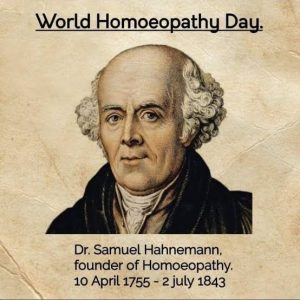
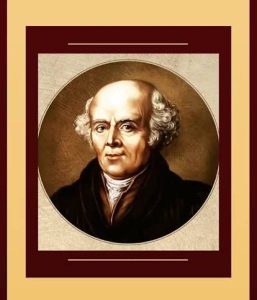
In 1810, Hahnemann published Organon of the Healing Art, a major work outlining the principles and methods of homoeopathy.
হোমিওপ্যাথি চিকিৎসার ইতিহাস
অষ্টাদশ শতাব্দীতে হোমিওপ্যাথির সূচনা
অষ্টাদশ শতাব্দীর শেষভাগে চিকিৎসাবিজ্ঞানের উন্নয়ন ঘটলেও সে সময় অনেক প্রচলিত চিকিৎসাপদ্ধতির কার্যকারিতা ও নিরাপত্তা সম্পর্কে পর্যাপ্ত বৈজ্ঞানিক জ্ঞান ছিল না।
জার্মান চিকিৎসক স্যামুয়েল হ্যানিম্যান ১৭৯০-এর দশকে তাঁর নতুন চিকিৎসা-ধারণা নিয়ে কাজ শুরু করেন। ১৭৯৬ সালে তিনি ওষুধের প্রভাব অনুসন্ধানের একটি নতুন নীতি সম্পর্কে লেখেন, যা পরবর্তীকালে হোমিওপ্যাথির ভিত্তি হয়ে ওঠে।
১৮১০ সালে তাঁর বিখ্যাত গ্রন্থ Organon of the Healing Art প্রকাশিত হয়। এই বইয়ে হোমিওপ্যাথি চিকিৎসার মূল নীতি ও পদ্ধতি ব্যাখ্যা করা হয়।
Growth During the Nineteenth Century
During the nineteenth century, homoeopathy spread across Europe, North America, and other regions. As a result, homoeopathic hospitals, medical schools, and professional organisations were established in several countries.
Historically, its appeal was partly connected to dissatisfaction with some conventional medical practices of that era. Nevertheless, historical popularity should not be confused with proof of effectiveness by modern scientific standards.
উনিশ শতকে হোমিওপ্যাথির বিস্তার
উনিশ শতকে ইউরোপ, উত্তর আমেরিকা এবং বিশ্বের অন্যান্য অঞ্চলে হোমিওপ্যাথির প্রসার ঘটে। বিভিন্ন দেশে হোমিওপ্যাথিক হাসপাতাল, শিক্ষাপ্রতিষ্ঠান এবং পেশাগত সংগঠন প্রতিষ্ঠিত হয়।
তৎকালীন প্রচলিত চিকিৎসার কিছু সীমাবদ্ধতার কারণে অনেক মানুষ বিকল্প চিকিৎসাপদ্ধতির প্রতি আগ্রহী হয়ে ওঠেন। তবে কোনো চিকিৎসাপদ্ধতির ঐতিহাসিক জনপ্রিয়তা আধুনিক বৈজ্ঞানিক মানদণ্ডে তার কার্যকারিতার প্রমাণ নয়।
Development in India and South Asia
Homoeopathy was introduced to India during the nineteenth century and gradually gained popularity, particularly in Bengal. Calcutta became an important centre for its development.
The establishment of the Calcutta Homoeopathic Medical College in 1881 marked a significant milestone in its institutional history in India.
Over time, homoeopathic education and practice became more formally organised in parts of South Asia. Today, homoeopathy continues to attract patients and practitioners in India and Bangladesh, although its regulation and professional requirements differ between countries.
Historical research on homoeopathy in India is available through PubMed.
ভারত ও বাংলাদেশে হোমিওপ্যাথির বিকাশ
উনিশ শতকে ভারতীয় উপমহাদেশে হোমিওপ্যাথির প্রবেশ ঘটে এবং ধীরে ধীরে এর জনপ্রিয়তা বৃদ্ধি পায়। বিশেষ করে বাংলায় হোমিওপ্যাথি চিকিৎসার প্রসারে উল্লেখযোগ্য অগ্রগতি হয়। কলকাতা এই চিকিৎসাপদ্ধতির বিকাশের একটি গুরুত্বপূর্ণ কেন্দ্রে পরিণত হয়।
১৮৮১ সালে কলকাতা হোমিওপ্যাথিক মেডিকেল কলেজ প্রতিষ্ঠা ভারতীয় উপমহাদেশে হোমিওপ্যাথির প্রাতিষ্ঠানিক ইতিহাসে একটি উল্লেখযোগ্য ঘটনা।
পরবর্তী সময়ে ভারত ও বাংলাদেশে হোমিওপ্যাথিক শিক্ষা এবং চিকিৎসাচর্চা বিভিন্নভাবে সংগঠিত হয়েছে। বর্তমানে বাংলাদেশেও বহু মানুষ হোমিওপ্যাথি চিকিৎসা গ্রহণ করেন। তবে দুই দেশের চিকিৎসা-নিয়ন্ত্রণ, শিক্ষাগত যোগ্যতা এবং পেশাগত কাঠামো এক নয়।
The Present Condition of Homoeopathic Treatment
Homoeopathy continues to have a place in the wider field of complementary and alternative medicine. Some patients value the time spent discussing their symptoms, their personal experiences, and their general wellbeing during consultations.


Several factors contribute to its continuing popularity:
-
- Historical tradition: Homoeopathy has an established presence in many communities.
-
- Individualised consultations: Practitioners often consider a broad range of personal symptoms and experiences.
-
- Patient preferences: Some people seek complementary approaches alongside conventional healthcare.
-
- Accessibility: In certain areas, homoeopathic clinics and practitioners are readily available.
However, popularity alone does not establish clinical effectiveness. It is important to distinguish between patient satisfaction, personal testimonials, and reliable evidence that a treatment can prevent, manage, or cure a disease.
হোমিওপ্যাথি চিকিৎসার বর্তমান অবস্থা
বর্তমানে হোমিওপ্যাথি বিশ্বের বিভিন্ন দেশে বিকল্প ও পরিপূরক চিকিৎসার একটি পরিচিত ধারা হিসেবে প্রচলিত রয়েছে। কিছু রোগী চিকিৎসকের সঙ্গে দীর্ঘ সময় ধরে কথা বলার সুযোগ, ব্যক্তিগত উপসর্গের বিবরণ দেওয়া এবং নিজের অভিজ্ঞতা তুলে ধরার বিষয়টিকে গুরুত্ব দেন।
হোমিওপ্যাথির জনপ্রিয়তার পেছনে কয়েকটি কারণ রয়েছে:
- ঐতিহাসিক ও সামাজিক প্রভাব: অনেক পরিবার ও সম্প্রদায়ে দীর্ঘদিন ধরে হোমিওপ্যাথি চিকিৎসার প্রচলন রয়েছে।
- ব্যক্তিকেন্দ্রিক পরামর্শ: চিকিৎসকেরা সাধারণত রোগীর ব্যক্তিগত উপসর্গ ও অভিজ্ঞতা সম্পর্কে বিস্তারিত জানতে চান।
- ব্যক্তিগত পছন্দ: কিছু মানুষ প্রচলিত চিকিৎসার পাশাপাশি বিকল্প চিকিৎসার প্রতিও আগ্রহী।
- সহজলভ্যতা: কিছু অঞ্চলে হোমিওপ্যাথিক চিকিৎসাকেন্দ্র ও চিকিৎসক সহজে পাওয়া যায়।
তবে মানুষের আগ্রহ বা সন্তুষ্টি কোনো চিকিৎসার কার্যকারিতার চূড়ান্ত প্রমাণ নয়। রোগীর ব্যক্তিগত অভিজ্ঞতা, প্রশংসাসূচক বক্তব্য এবং বৈজ্ঞানিকভাবে প্রমাণিত চিকিৎসার ফলাফলের মধ্যে পার্থক্য রয়েছে।
What Does Scientific Evidence Say?
Homoeopathy remains controversial because its central principles, particularly the claimed effects of extreme dilution, are not consistent with established scientific understanding.
According to the US National Center for Complementary and Integrative Health, there is little evidence supporting homoeopathy as an effective treatment for any specific health condition. The NHS also reports that good-quality evidence does not establish its effectiveness for treating disease.
These conclusions highlight the need for well-designed clinical trials, independent replication, transparent reporting, and meaningful comparisons with placebos or established treatments.
For further reading, consult the NCCIH overview of homoeopathy and the NHS information on homoeopathy.
হোমিওপ্যাথি সম্পর্কে বৈজ্ঞানিক গবেষণা কী বলে?
হোমিওপ্যাথি নিয়ে বৈজ্ঞানিক বিতর্কের প্রধান কারণ হলো এর মূল নীতিগুলোর সঙ্গে প্রতিষ্ঠিত বৈজ্ঞানিক জ্ঞানের অসামঞ্জস্য, বিশেষ করে অত্যন্ত বেশি মাত্রায় পাতলা করা পদার্থের কার্যকারিতা সম্পর্কে দাবি।
যুক্তরাষ্ট্রের ন্যাশনাল সেন্টার ফর কমপ্লিমেন্টারি অ্যান্ড ইন্টিগ্রেটিভ হেলথ (NCCIH) জানায়, নির্দিষ্ট কোনো রোগের চিকিৎসায় হোমিওপ্যাথির কার্যকারিতার পক্ষে প্রমাণ খুবই সীমিত। যুক্তরাজ্যের জাতীয় স্বাস্থ্যসেবা সংস্থা NHS-ও জানিয়েছে, ভালো মানের গবেষণা হোমিওপ্যাথির কার্যকারিতা প্রতিষ্ঠা করতে পারেনি।
তাই এ বিষয়ে আরও গবেষণার ক্ষেত্রে সুপরিকল্পিত ক্লিনিক্যাল ট্রায়াল, নিরপেক্ষ মূল্যায়ন, ফলাফলের স্বচ্ছ প্রকাশ এবং স্বাধীন গবেষণায় একই ফল পাওয়া যায় কি না—এসব বিষয় গুরুত্বপূর্ণ।
আরও তথ্যের জন্য পড়ুন:
Safety and Responsible Practice
A common misconception is that all homoeopathic remedies are automatically harmless because they are highly diluted. Some products may contain measurable active ingredients, cause adverse effects, interact with medicines, or have quality-control problems.
Another serious concern arises when patients delay effective treatment for conditions such as cancer, asthma, severe infections, diabetes, or heart disease.
Homoeopathic products should not replace evidence-based medical care, prescribed medicines, or recommended vaccinations. Therefore, anyone considering a complementary treatment should discuss it with a qualified healthcare professional.
হোমিওপ্যাথি চিকিৎসায় নিরাপত্তার গুরুত্ব
অনেকের ধারণা, হোমিওপ্যাথিক ওষুধ অত্যন্ত পাতলা হওয়ায় সব ক্ষেত্রেই নিরাপদ। কিন্তু এই ধারণা সব পণ্যের ক্ষেত্রে প্রযোজ্য নয়। কিছু প্রস্তুতিতে পরিমাপযোগ্য সক্রিয় উপাদান থাকতে পারে, পার্শ্বপ্রতিক্রিয়া দেখা দিতে পারে, অন্য ওষুধের সঙ্গে প্রতিক্রিয়া হতে পারে অথবা উৎপাদনগত মানের সমস্যা থাকতে পারে।
সবচেয়ে বড় ঝুঁকি তৈরি হয় যখন কোনো রোগী ক্যানসার, হাঁপানি, ডায়াবেটিস, গুরুতর সংক্রমণ বা হৃদ্রোগের মতো সমস্যায় কার্যকর চিকিৎসা গ্রহণ না করে শুধু হোমিওপ্যাথির ওপর নির্ভর করেন।
হোমিওপ্যাথিক পণ্য প্রমাণভিত্তিক চিকিৎসা, চিকিৎসকের নির্ধারিত ওষুধ বা প্রয়োজনীয় টিকাদানের বিকল্প হিসেবে ব্যবহার করা উচিত নয়। কোনো বিকল্প চিকিৎসা গ্রহণের আগে যোগ্য স্বাস্থ্যসেবা পেশাজীবীর সঙ্গে পরামর্শ করা জরুরি।
Challenges Facing Homoeopathy
The future of homoeopathy will be influenced by several important challenges.
1. Lack of Reliable Clinical Evidence
The main challenge is the absence of convincing, reproducible evidence demonstrating effectiveness for specific medical conditions. Further research must meet rigorous scientific standards and avoid exaggerated conclusions.
2. Public Awareness and Health Literacy
Patients need clear, accurate information about what is known, what remains uncertain, and what risks may arise from delaying established treatment.
3. Regulation and Quality Control
Consistent standards for practitioner qualifications, product manufacturing, labelling, and adverse-event reporting can help protect the public. Requirements vary across countries, so local regulations matter.
4. Ethical Healthcare Communication
Healthcare professionals and publishers should avoid promising guaranteed cures or claiming that homoeopathy can treat every disease. Responsible communication builds trust and helps patients make informed decisions.
হোমিওপ্যাথি চিকিৎসার প্রধান চ্যালেঞ্জ
১. নির্ভরযোগ্য বৈজ্ঞানিক প্রমাণের অভাব
হোমিওপ্যাথির প্রধান চ্যালেঞ্জ হলো নির্দিষ্ট রোগের চিকিৎসায় এর কার্যকারিতা প্রমাণ করার মতো ধারাবাহিক ও নির্ভরযোগ্য বৈজ্ঞানিক তথ্যের অভাব। ভবিষ্যৎ গবেষণায় যথাযথ পদ্ধতি, পর্যাপ্ত নমুনা এবং নিরপেক্ষ মূল্যায়ন নিশ্চিত করতে হবে।
২. জনসচেতনতা বৃদ্ধি
রোগীদের জানতে হবে কোন চিকিৎসার উপকারিতা বৈজ্ঞানিকভাবে প্রতিষ্ঠিত, কোন বিষয়গুলো এখনো অনিশ্চিত এবং চিকিৎসা বিলম্বিত করলে কী ধরনের ঝুঁকি হতে পারে।
৩. নিয়ন্ত্রণ ও গুণগত মান
চিকিৎসকের যোগ্যতা, ওষুধ উৎপাদন, সঠিক লেবেলিং এবং পার্শ্বপ্রতিক্রিয়া পর্যবেক্ষণের ক্ষেত্রে কার্যকর মানদণ্ড রোগীর নিরাপত্তা নিশ্চিত করতে সহায়তা করতে পারে। তবে এসব নিয়ম দেশভেদে আলাদা।
৪. নৈতিক চিকিৎসাচর্চা
কোনো চিকিৎসাপদ্ধতি সম্পর্কে নিশ্চিত আরোগ্যের প্রতিশ্রুতি দেওয়া বা সব রোগের নিরাময় সম্ভব বলে প্রচার করা উচিত নয়। চিকিৎসার সীমাবদ্ধতা সম্পর্কে সঠিক তথ্য প্রদান রোগীর আস্থা ও সচেতন সিদ্ধান্ত গ্রহণে সহায়তা করে।
The Future of Homoeopathic Treatment
The future of homoeopathy will depend on how effectively it responds to scientific scrutiny and changing healthcare expectations.
More Rigorous Scientific Research
Future research should focus on clearly defined conditions, adequately sized clinical trials, appropriate control groups, and independent replication.
Researchers should publish negative findings as well as positive results.
Furthermore, if specific remedies or treatment approaches demonstrate reliable benefits in high-quality studies, those findings should be assessed objectively. Conversely, if benefits cannot be demonstrated, that conclusion should also guide clinical practice.
Better Education and Professional Standards
Education in evidence appraisal, research methods, patient communication, and medical ethics could improve the quality of healthcare discussions involving homoeopathy.
Practitioners should also recognise when symptoms require urgent medical assessment or referral to another healthcare professional.
Responsible Integration With Healthcare
Some patients may continue to choose homoeopathy because of personal preference or cultural tradition. Therefore, respectful communication can help healthcare professionals understand those preferences while explaining the evidence and available treatment options.
However, integration into healthcare systems should not be interpreted as proof of effectiveness. Instead, any treatment recommendation must be based on reliable evidence of its benefits, risks, and appropriate use.
Digital Health and Research Transparency
Digital platforms may help researchers share clinical findings, monitor product quality, and improve public access to reliable health information. However, the challenge will be to distinguish scientifically supported information from misleading online claims and commercial promotion.
Ultimately, the future of homoeopathy should be determined by evidence, patient safety, transparency, and responsible healthcare policy rather than popularity alone.
হোমিওপ্যাথি চিকিৎসার ভবিষ্যৎ
হোমিওপ্যাথি চিকিৎসার ভবিষ্যৎ নির্ভর করবে বৈজ্ঞানিক মূল্যায়নের মুখোমুখি হওয়া, রোগীর নিরাপত্তা নিশ্চিত করা এবং আধুনিক স্বাস্থ্যসেবার প্রত্যাশার সঙ্গে সামঞ্জস্য বজায় রাখার ওপর।
বৈজ্ঞানিক গবেষণার উন্নয়ন
ভবিষ্যতে নির্দিষ্ট রোগ, উপযুক্ত নিয়ন্ত্রণ ব্যবস্থা, পর্যাপ্ত রোগীসংখ্যা এবং স্বাধীনভাবে যাচাইযোগ্য ফলাফলের ওপর ভিত্তি করে গবেষণা করা প্রয়োজন।
কোনো নির্দিষ্ট চিকিৎসাপদ্ধতি উচ্চমানের গবেষণায় কার্যকর প্রমাণিত হলে তা নিরপেক্ষভাবে মূল্যায়ন করা উচিত। একইভাবে, কার্যকারিতার নির্ভরযোগ্য প্রমাণ না পাওয়া গেলে সেই ফলাফলও চিকিৎসা-সিদ্ধান্তে গুরুত্ব পেতে হবে।
শিক্ষা ও পেশাগত মানোন্নয়ন
বৈজ্ঞানিক গবেষণা বোঝা, চিকিৎসা-নৈতিকতা, রোগীর সঙ্গে যোগাযোগ এবং প্রমাণভিত্তিক সিদ্ধান্ত গ্রহণের বিষয়ে উন্নত প্রশিক্ষণ হোমিওপ্যাথি সংশ্লিষ্ট পেশাজীবীদের স্বাস্থ্যবিষয়ক আলোচনার মান উন্নত করতে পারে।
এছাড়া যেসব ক্ষেত্রে জরুরি চিকিৎসা বা অন্য বিশেষজ্ঞের পরামর্শ প্রয়োজন, সেসব ক্ষেত্রে দ্রুত রোগীকে উপযুক্ত স্বাস্থ্যসেবার আওতায় আনা জরুরি।
আধুনিক স্বাস্থ্যসেবার সঙ্গে দায়িত্বশীল সমন্বয়
ব্যক্তিগত পছন্দ, পারিবারিক ঐতিহ্য বা সাংস্কৃতিক কারণে কিছু মানুষ ভবিষ্যতেও হোমিওপ্যাথি গ্রহণ করতে পারেন। স্বাস্থ্যসেবা পেশাজীবীদের উচিত রোগীর পছন্দকে সম্মান করার পাশাপাশি চিকিৎসার বৈজ্ঞানিক প্রমাণ, সম্ভাব্য ঝুঁকি এবং কার্যকর বিকল্প সম্পর্কে পরিষ্কার ধারণা দেওয়া।
তবে কোনো চিকিৎসাপদ্ধতিকে স্বাস্থ্যব্যবস্থায় অন্তর্ভুক্ত করা হলেই তার কার্যকারিতা প্রমাণিত হয় না। চিকিৎসার সুপারিশ করার ক্ষেত্রে উপকারিতা, ঝুঁকি এবং যথাযথ ব্যবহারের নির্ভরযোগ্য প্রমাণ থাকা জরুরি।
ডিজিটাল স্বাস্থ্যসেবা ও গবেষণার স্বচ্ছতা
ডিজিটাল প্রযুক্তি ভবিষ্যতে গবেষণার ফলাফল প্রকাশ, ওষুধের গুণগত মান পর্যবেক্ষণ এবং নির্ভরযোগ্য স্বাস্থ্যতথ্য সহজলভ্য করতে সহায়তা করতে পারে। তবে অনলাইনে বৈজ্ঞানিক তথ্য ও বিভ্রান্তিকর প্রচারণার মধ্যে পার্থক্য নির্ণয় করা অত্যন্ত গুরুত্বপূর্ণ হবে।
সর্বোপরি, হোমিওপ্যাথির ভবিষ্যৎ নির্ধারিত হওয়া উচিত বৈজ্ঞানিক প্রমাণ, রোগীর নিরাপত্তা, তথ্যের স্বচ্ছতা এবং দায়িত্বশীল স্বাস্থ্যনীতি দ্বারা—শুধু জনপ্রিয়তার ভিত্তিতে নয়।
Conclusion
Homoeopathic treatment, developed from Samuel Hahnemann’s ideas over 200 years ago, remains popular worldwide and represents a significant part of alternative medicine history.
However, historical importance and continuing demand do not establish medical effectiveness. Furthermore, current evidence does not reliably demonstrate that homoeopathy treats any specific health condition.
Looking ahead, the future of homoeopathy will depend on rigorous scientific investigation, responsible professional practice, effective regulation, and honest communication with patients. Therefore, patients should prioritise evidence-based care and never delay necessary treatment for unproven remedies. Ultimately, respecting patient choices while prioritising scientific evidence and safety is essential for informed decisions about homoeopathy.
উপসংহার
হোমিওপ্যাথি চিকিৎসার ইতিহাস দুই শতাব্দীরও বেশি পুরোনো। স্যামুয়েল হ্যানিম্যানের প্রবর্তিত ধারণা থেকে বর্তমান সময়ের চিকিৎসাচর্চা পর্যন্ত এর বিকাশ বিকল্প চিকিৎসার ইতিহাসে একটি উল্লেখযোগ্য অধ্যায়।
তবে ঐতিহাসিক গুরুত্ব ও মানুষের আগ্রহ কোনো চিকিৎসাপদ্ধতির কার্যকারিতা প্রমাণ করে না। বর্তমান বৈজ্ঞানিক প্রমাণ অনুযায়ী, নির্দিষ্ট কোনো রোগের চিকিৎসায় হোমিওপ্যাথির কার্যকারিতা নির্ভরযোগ্যভাবে প্রতিষ্ঠিত হয়নি।
হোমিওপ্যাথি চিকিৎসার ভবিষ্যৎ নির্ভর করবে উন্নত বৈজ্ঞানিক গবেষণা, দায়িত্বশীল পেশাগত চর্চা, কার্যকর নিয়ন্ত্রণ এবং রোগীদের সঙ্গে সৎ যোগাযোগের ওপর। সর্বোপরি, প্রত্যেক রোগীর প্রমাণভিত্তিক চিকিৎসা পাওয়ার সুযোগ নিশ্চিত করা এবং প্রয়োজনীয় চিকিৎসা গ্রহণে বিলম্ব না করাই সবচেয়ে গুরুত্বপূর্ণ।
রোগীর ব্যক্তিগত পছন্দকে সম্মান করার পাশাপাশি বৈজ্ঞানিক প্রমাণ ও নিরাপত্তাকে অগ্রাধিকার দেওয়াই হোমিওপ্যাথি সম্পর্কে সচেতন সিদ্ধান্ত গ্রহণের সঠিক পথ।
——————————-X———-X————X—————————————————————
Frequently Asked Questions (FAQs)
1. Who founded homoeopathy?
Dr Samuel Hahnemann, a German physician, developed homoeopathy in the late eighteenth century.
2. What are the main principles of homoeopathy?
Its two principal ideas are “like cures like” and the law of minimum dose, which proposes that greater dilution increases a remedy’s potency.
3. Is homoeopathic treatment scientifically proven?
Current evidence does not reliably establish homoeopathy as an effective treatment for any specific health condition.
4. Is homoeopathy safe?
Safety depends on the product and circumstances. Some products may contain active ingredients or contaminants, and delaying effective medical care can be dangerous.
5. What is the future of homoeopathy?
Its future will depend on rigorous research, transparent evidence, appropriate regulation, product quality, and patient safety.
Medical disclaimer: This article is intended for educational purposes only and is not a substitute for professional medical advice, diagnosis, or treatment.