









A New Discovery in Malaria Control
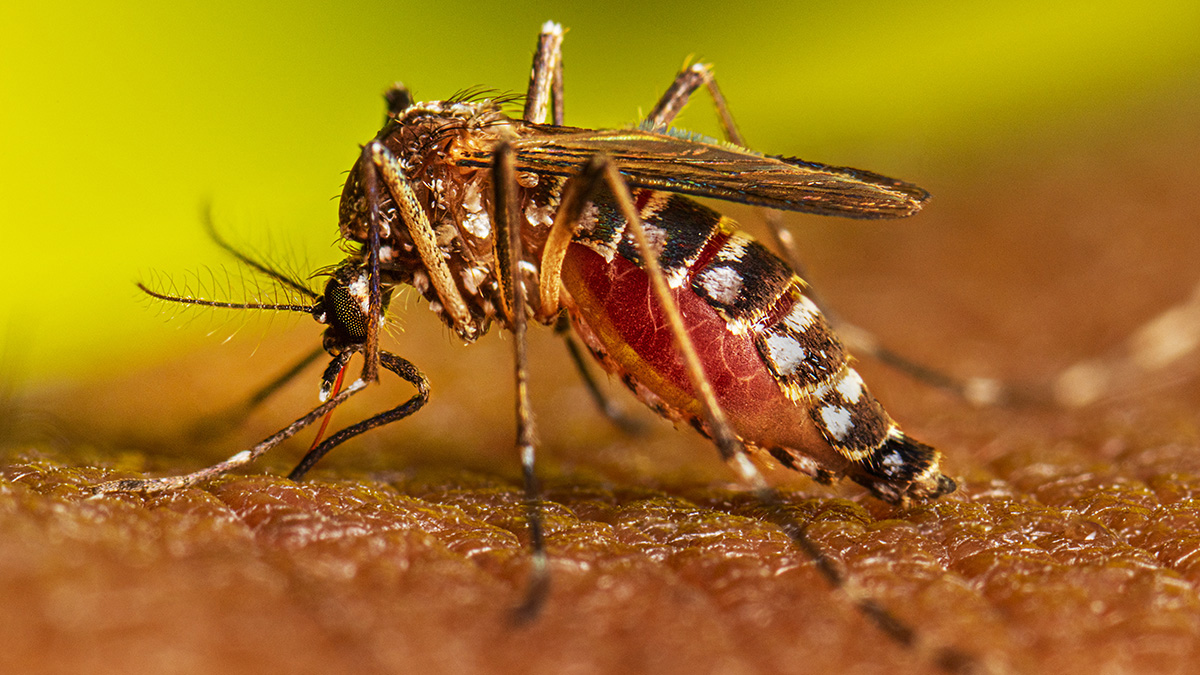
Malaria control may have a promising new solution. Researchers from the United Kingdom and Kenya have discovered a type of microorganism that can protect mosquitoes from becoming infected with malaria parasites. According to the researchers, this discovery could open up significant new possibilities for controlling malaria.
The findings were published in the scientific journal Nature Communications.
Malaria spreads to humans through the bites of infected mosquitoes. Therefore, preventing mosquitoes from carrying malaria parasites could help reduce the spread of the disease and protect human health.
Research Report
According to a BBC News report, the microorganism responsible for this protection is called Microsporidia MB. Researchers discovered it while studying mosquitoes near Lake Victoria in Kenya. The microorganism lives in the mosquito’s gut and reproductive tissues.
During their research, scientists did not find any mosquitoes carrying Microsporidia MB that were also infected with malaria parasites. Laboratory experiments provided further evidence that this microorganism could protect mosquitoes against malaria infection.
Researchers explain that microsporidia are related to fungi and that most species are parasitic. However, this newly identified species may benefit mosquitoes. Scientists found it naturally in approximately 5% of the mosquitoes they studied.
Research Findings and Analysis
Jeremy Herren, a Kenyan researcher, told the BBC that the study showed complete protection against malaria infection under the tested conditions. He described the microorganism as a potentially powerful tool for malaria control and expressed optimism about its future applications.
Malaria causes hundreds of thousands of deaths worldwide every year, with children under five accounting for a large proportion of these deaths. Although mosquito nets and insecticide sprays have helped control the disease, malaria remains a serious public health challenge. Researchers therefore continue to explore new methods to prevent its transmission.

Key Research Findings
Scientists say that further research is necessary to understand how Microsporidia MB works and how it prevents malaria parasites from infecting mosquitoes.
The microorganism may strengthen the mosquito’s resistance to malaria parasites by creating conditions that make infection difficult. Researchers believe this protective effect could last for a long time, potentially making it a useful tool in malaria prevention.
According to the research, at least 40% of mosquitoes in a particular area may need to carry Microsporidia MB to achieve a meaningful reduction in malaria transmission. Researchers are investigating ways to increase the number of mosquitoes carrying the microorganism.
One possibility is to introduce the microorganism into adult mosquitoes. Scientists believe female mosquitoes may pass the microorganism to their offspring, spreading it across generations.
Future Plans for Malaria Prevention
Scientists plan to conduct further studies in Kenya to understand how Microsporidia MB spreads naturally among mosquitoes. They also aim to investigate whether researchers can use this microorganism safely and effectively to control malaria.
Researchers note that the microorganism has already been found naturally in wild mosquito populations. Their approach focuses on understanding and promoting a natural process rather than introducing a new organism.
Because this method does not aim to kill mosquitoes, it may offer an alternative to conventional mosquito-control techniques. However, scientists must conduct additional research to assess its effectiveness, safety, and possible effects on the wider ecosystem.
Conclusion
The discovery of Microsporidia MB could represent an important step forward in malaria research. This microorganism may reduce malaria transmission by preventing parasites from infecting mosquitoes.
Although early findings are promising, more field studies are needed to test this method on a large scale. If future research confirms its potential, Microsporidia MB could help prevent malaria and protect at-risk communities.
—————————————————————-
ম্যালেরিয়া নিয়ন্ত্রণে নয়া আবিষ্কার
যুক্তরাজ্য ও কেনিয়ার গবেষকেরা সম্প্রতি একধরনের জীবাণুর খোঁজ পেয়েছেন, যা মশাকে ম্যালেরিয়ায় আক্রান্ত হতে পুরোপুরি রক্ষা করে। গবেষকেরা দাবি করছেন, তাঁদের এ আবিষ্কার ম্যালেরিয়া রোগ নিয়ন্ত্রণে ‘অমিত সম্ভাবনা’ তৈরি করেছে।
‘নেচার কমিউনিকেশনস’ সাময়িকীতে এই গবেষণাবিষয়ক নিবন্ধ প্রকাশিত হয়েছে।
সংক্রমিত মশার কামড়ে ম্যালেরিয়া ছড়িয়ে পড়ে, তাই তাদের সংক্রমণ থেকে রক্ষা করা গেলে মানুষকে রক্ষা করা যেতে পারে।
সমীক্ষা প্রতিবেদন
বিবিসি অনলাইনের প্রতিবেদনে জানানো হয়, ম্যালেরিয়া ঠেকানোর এ জীবাণুর নাম মাইক্রোস্পরিডিয়া এমবি। কেনিয়ার লেক ভিক্টোরিয়া উপকূলে মশা নিয়ে গবেষণা করার সময় এটি আবিষ্কার করেছেন গবেষকেরা। এটি পোকামাকড়ের অন্ত্র ও জননকেন্দ্রে বাস করে।
গবেষকরা মাইক্রোস্পরিডিয়া বহনকারী একটি মশাও খুঁজে পাননি, যা ম্যালেরিয়া পরজীবী বহন করছিল। পরীক্ষাগারেও প্রমাণ পাওয়া গেছে, ওই জীবাণু মশাকে ম্যালেরিয়া পরজীবী থেকে সুরক্ষা দেয়।

গবেষকেরা বলেন, মাইক্রোস্পরিডিয়াগুলো ছত্রাক বা তাদের সঙ্গে অন্তত নিবিড়ভাবে সম্পর্কিত এবং বেশির ভাগ পরজীবী। তবে নতুন এই প্রজাতি মশার জন্য উপকারী হতে পারে এবং অধ্যয়নরত প্রায় ৫ শতাংশ পোকামাকড়ের মধ্যে এটি প্রাকৃতিকভাবে পাওয়া যায়।
সমীক্ষা প্রতিবেদন ও তার পর্যালোচনা
কেনিয়ার ইন্টারন্যাশনাল সেন্টার অব ইনসেকটস ফিজিওলজি অ্যান্ড ইকোলজির গবেষক জেরেমি হেরেন বিবিসিকে বলেন, ‘আমাদের এখন পর্যন্ত যে তথ্য রয়েছে, তা শতভাগ ম্যালেরিয়া ঠেকানোর কথা বলে। এটি ম্যালেরিয়া ঠেকানোর মোক্ষম হাতিয়ার। এর কর্মকাণ্ড অবাক করে দেবে I আমি মনে করি, মানুষ একে একটি সত্যিকারের বড় সাফল্য বলে মনে করবে।’
প্রতিবছর ম্যালেরিয়ায় চার লাখের বেশি লোক মারা যায়। তাদের বেশির ভাগই পাঁচ বছরের কম বয়সী শিশু। মশারি ও মশানাশক স্প্রের ব্যবহার বাড়লেও সম্প্রতি মশার উৎপাত বেড়েছে। তাই ম্যালেরিয়া ঠেকাতে নতুন সরঞ্জামের প্রয়াজনীয়তার বিষয়ে সবাই একমত।
গবেষনালব্ধ ফলাফল
গবেষকেরা বলছেন, তাঁদের বিস্তারিত আরও গবেষণা করতে হবে। এটি মাইক্রোস্পরিডিয়া এমবি মশার প্রতিরোধ ক্ষমতা বাড়িয়ে তুলতে পারে। সুতরাং এটি সংক্রমণের বিরুদ্ধে লড়াই করতে সক্ষম হবে। এই জীবাণুর উপস্থিতি ম্যালেরিয়ার পরজীবীর জন্য দীর্ঘস্থায়ী প্রতিকূল পরিবেশ তৈরি করতে পারে বলে এ প্রতিরোধব্যবস্থা টেকসই হবে।
ম্যালেরিয়া প্রতিরোধে কোনো অঞ্চলের কমপক্ষে ৪০ শতাংশ মশাকে মাইক্রোস্পরিডিয়া দিয়ে সংক্রমিত করতে হবে। গবেষকেরা তাঁদের পরীক্ষা করা মশা উন্মুক্ত করার পরিকল্পনা করছেন। তাঁরা বলছেন, জীবাণুটি প্রাপ্তবয়স্ক মশার মধ্যে দেওয়া যেতে পারে এবং স্ত্রী মশা থেকে তার বংশেও এটি চলে যাবে। কাজেই সংক্রমিত মশার সংখ্যা বাড়ানোর জন্য গবেষকরা কৌশল অনুসন্ধান করছেন।
উপসংহার
বিজ্ঞানীরা বলছেন, কীভাবে জীবাণুটি ছড়ায়, তা বুঝতে হবে। তাই তাঁরা কেনিয়ায় আরও পরীক্ষা করার পরিকল্পনা করেছেন। তাঁদের এ পদ্ধতি ঘিরে কোনো বিতর্ক নেই। কারণ, প্রজাতিটি এর মধ্যে বুনো মশার মধ্যে পাওয়া গেছে এবং তাঁরা নতুন কিছু যুক্ত করছেন না। তাঁরা মশা মেরে ফেলছেন না বলে পরিবেশের বাস্তুসংস্থানের ওপরও প্রভাব পড়বে না।


Hi, this is a comment.
To get started with moderating, editing, and deleting comments, please visit the Comments screen in the dashboard.
Commenter avatars come from Gravatar.